THE EMPTY CUP DIALOGUES — IV
“Why Can’t I Sit Still?”
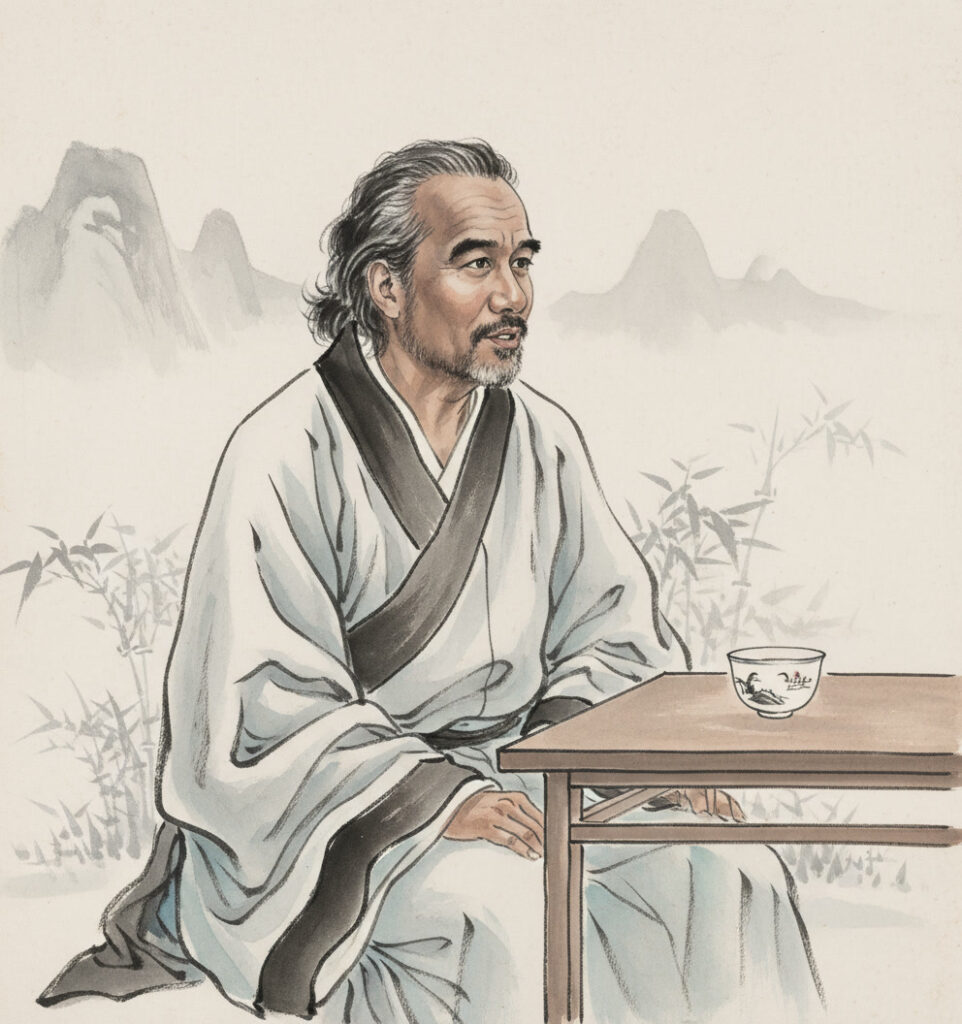
The café is quieter today.
The student fidgets in his chair, shifting his weight, adjusting his shoulders, crossing and uncrossing his legs.
The teacher watches calmly over a slowly cooling cup.
Struggle to sit still during meditation? In this dialogue, learn why restlessness is a teacher—not a failure—and how to meet it with patience and awareness.
When the Body Rebels Before the Mind
Student:
I don’t get it.
Every time I meditate, my body won’t stay still. My back aches, my legs twitch, my shoulders tense up, my hips complain.
I keep wriggling like a kid in church.
Teacher:
Then congratulate your body. It’s waking up.
Student:
Waking up? It feels like it’s revolting.
Teacher:
(laughs softly)
Most people move through the day half-numb.
When you sit quietly, the numbness leaves and sensation returns.
You’re not becoming uncomfortable —
you’re becoming aware.
Student:
So all this fidgeting is… good?
Teacher:
It’s information.
Meditation is honesty, and your body is telling the truth you’ve ignored:
Tension has been living here for a long time.
Student:
But how do I stop it?
Teacher:
You don’t.
You meet it.
Student:
Meet it?
Teacher:
Yes.
Instead of fighting the urge to move, investigate it.
Ask it:
“Where are you?”
“What shape do you have?”
“What do you feel like?”
The moment you turn curiosity toward discomfort, the war ends.
Student:
What if the urge to move is overwhelming?
Teacher:
Then move —
but move slowly, mindfully, like you’re adjusting the wing of a sleeping bird.
No jerking.
No reacting.
Just responding.
Student:
Does this ever get easier?
Teacher:
(smiling)
Do shoes fit better after you’ve walked in them for a while?
Student:
I guess… yes.
Teacher:
So will your posture.
So will your nervous system.
Student:
Sometimes it feels like my mind and body team up to sabotage me.
Teacher:
That’s because you’ve spent most of your life asking your body to rush, perform, endure, and ignore itself.
Now you’re asking it to do the opposite — to be still.
Of course it’s confused.
Stillness is a language it must relearn.
Student:
So restlessness isn’t failure?
Teacher:
Restlessness is the first lesson.
Stillness is the second.
Silence is the third.
Most beginners want to skip to the third.
But meditation is sequential — you meet the body first.
Student:
How long until I can sit without all this struggle?
Teacher:
Long enough for the struggle to become familiar.
Once something is familiar, fear leaves it.
Once fear leaves it, it softens.
Student:
And then?
Teacher:
Then stillness comes on its own,
like a cat deciding you’re finally safe enough to sit on.
H2: Key Insight — The Body Speaks Before the Mind Listens
Restlessness = awakening of sensation
Movement urges = information, not failure
Stillness emerges through curiosity, not force
The body must unlearn years of tension before it can rest
Practice Exercise — The “Slow Adjustment” Method
For your next 5 meditation sessions:
Sit normally.
When discomfort arises, pause first.
Label it: “tightness,” “pressure,” “heat,” “tingling.”
Decide if movement is truly needed.
If yes: move at half speed.
Notice how the urge softens once acknowledged.
Stillness is not the absence of movement —
it is the absence of resistance.
What part of your body resists meditation the most — your back, legs, or mind? Share your experience of restlessness and how you’ve tried meeting it.
Endnote Reflection:
The body has its own story.
When you stop silencing it,
it finally tells the truth —
and truth is the beginning of peace.