The Quality of Movement in TaiJiQuan
A Complete Guide to Whole-Body Coordination, Balance, Force, and Spirit
PART V
The Aesthetic Dimension: Movement as Expression of Spirit
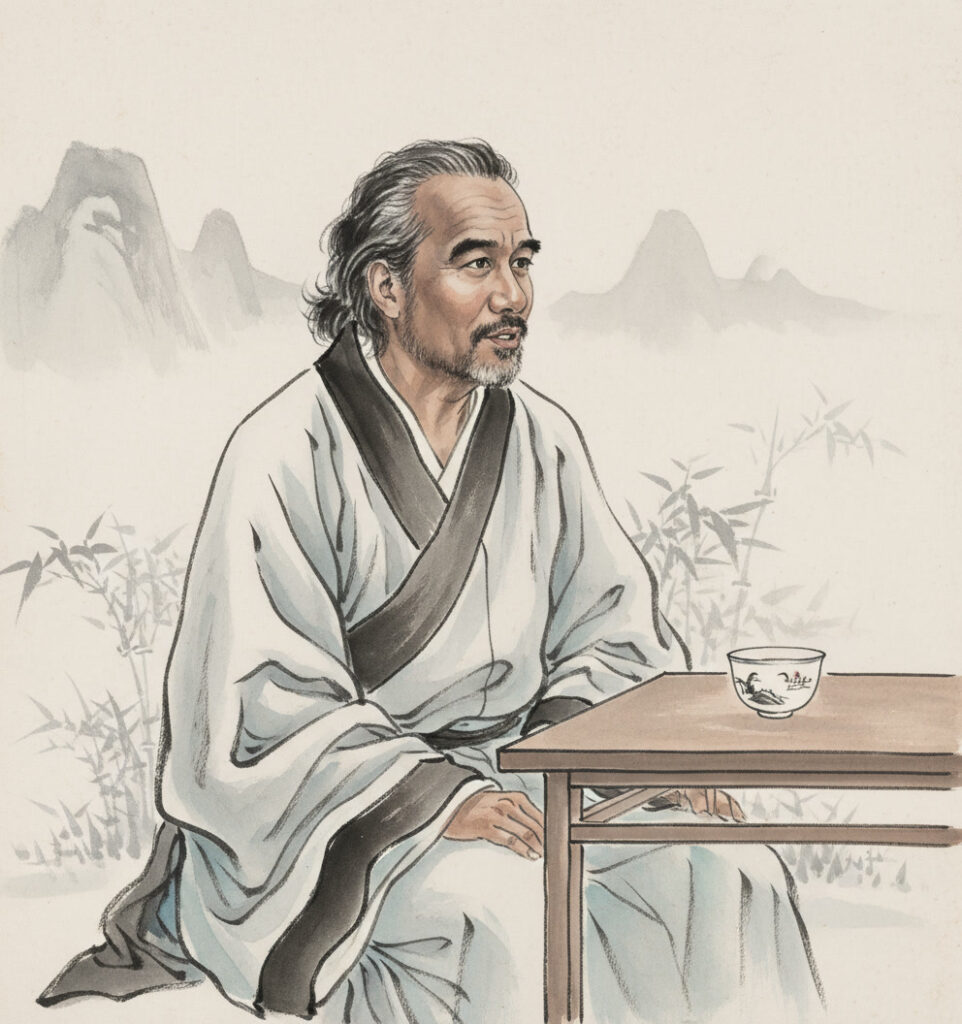
A true practitioner of the Tao does not neglect aesthetic quality. Not for performance. Not for ego. But because movement reflects inner state.
High-quality TaiJi movement expresses:
- Calm
- Confidence
- Clarity
- Continuity
The movement should feel:
- Uplifting rather than heavy
- Integrated rather than forced
- Alive rather than mechanical
This is what the classics refer to as the Rising and Advancement of Spirit.
When quality of movement matures, TaiJi no longer looks “performed.”
It looks inhabited.
Difficulty as Fertile Ground for Growth
All of these challenges—coordination, balance, force, sensitivity, expression—can feel overwhelming.
And yet, this difficulty is the point.
TaiJiQuan does not promise shortcuts.
It promises transformation through sustained, intelligent effort.
Each obstacle becomes:
- A mirror
- A teacher
- A doorway to deeper understanding
This is why TaiJiQuan is called The Practice of the Grand Ultimate.
It encompasses:
- Body
- Mind
- Spirit
- Stillness
- Change
And through it, the practitioner is refined—not just as a martial artist, but as a human being.
Why Quality of Movement Matters More Than Technique
Techniques fade.
Quality endures.
When movement quality is correct:
- Techniques emerge naturally
- Applications adapt fluidly
- Health improves organically
This is why serious TaiJiQuan training prioritizes how you move, not how many forms you know.