The Empty Cup Dialogues — Part I
Am I Meditating Wrong?
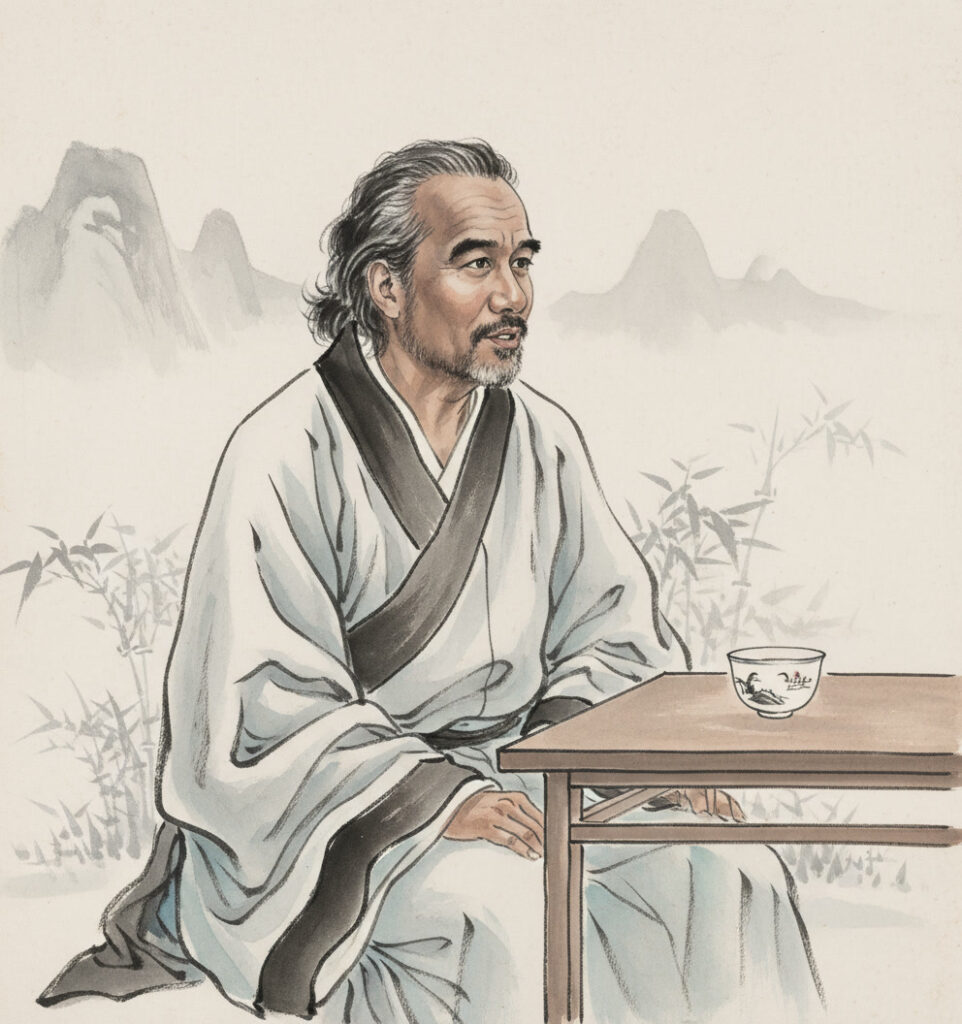
A teacher and his student meet for coffee.
The cup is full.
The mind is not.
Many beginners think a busy mind means they’re failing at meditation. In this dialogue between teacher and student, discover why distraction is not the enemy — it’s the lesson.
Student: (fidgeting with the cup)
I think I’m doing something wrong. Every time I sit down to meditate, my head just fills up with noise — plans, regrets, random nonsense. It’s like I open a window and every stray thought in the neighborhood flies in.
Hei-An:
Good. That means you’ve found the window.
Student:
What do you mean, “good”? I can’t stop thinking. Isn’t the point to clear my mind?
Hei-An: (smiling)
If that were the point, you’d be better off unconscious. Meditation isn’t about clearing your mind; it’s about learning to see what’s already inside it — without flinching, without fighting.
Student:
But every book says, “Quiet the mind.”
Hei-An:
Yes. But they don’t mean by force. Imagine your mind is a pond. If you thrash around trying to make it still, what happens?
Student:
It just gets worse.
Hei-An:
Exactly. So you sit, breathe, and let the mud settle by itself. Stillness isn’t a command; it’s a consequence.
(The teacher pours another cup of coffee. Steam rises between them.)
Hei-An:
See that steam? You don’t chase it back into the cup. You just notice it rise, curl, and fade. Thoughts are the same.
Student:
So I just… watch them?
Hei-An:
Yes. Watch them, and name them if it helps. “Thinking,” “worrying,” “planning.” Each label is a gentle tap on the shoulder of awareness, saying, “Come back.”
Student:
But sometimes it feels like I’m labeling every two seconds.
Hei-An:
Then you’re paying attention every two seconds. That’s excellent practice.
Student:
So I’m not failing?
Hei-An:
Not at all. You’re training attention, not manufacturing silence. When you notice distraction, you’ve already won the moment — because you’re awake in it.
(They sit quietly for a time, the sound of a milk steamer hissing behind the counter.)
Student:
When I was younger, I thought enlightenment meant floating above life — perfect calm, perfect peace.
Hei-An:
Enlightenment isn’t an escape; it’s intimacy. With breath, with noise, with frustration, with joy. You’ll know your practice is deepening when you stop running away from ordinary things.
Student:
Even from failure?
Hei-An:
Especially from failure. It’s the best teacher I’ve ever met.
Student:
I guess… I wanted meditation to fix me.
Hei-An:
Meditation doesn’t fix you. It introduces you to who you already are — and shows you that you were never broken.
(They both smile. The steam has disappeared. Only the warmth remains.)
Key Insight — The Difference Between “Doing” and “Being”
Meditation begins when effort relaxes into awareness.
The mind will wander. That’s its nature.
Your task isn’t to cage it, but to witness its flight.
Takeaway Practice:
Sit for five minutes.
Breathe naturally.
Each time you notice a thought, whisper “thinking” and return to the breath.
Celebrate every return — it’s proof you’re conscious.
Endnote Reflection
When you sit in silence, the first thing you meet is noise.
When you stop resisting, the noise turns into a song of ‘silence’: there’s definitely something there, but it’s not the normal words, sights, and sounds, it’s just – ….it’s Just.
That song is your mind — and now, finally, you’re listening.